
Whether you’re a beginner sailor or experienced on the water, weather, tides, navigation rules, and other water users can pose potential risks when out on your boat. Staying safe while sailing isn’t just about following the rules. It’s about preparation, awareness, and the proper safety equipment.
In this guide, we share all you need to know about sailing safely, including 10 safety tips, some pre-sailing checks, and the safety equipment you should always have on board.
Why is it important to sail safely?
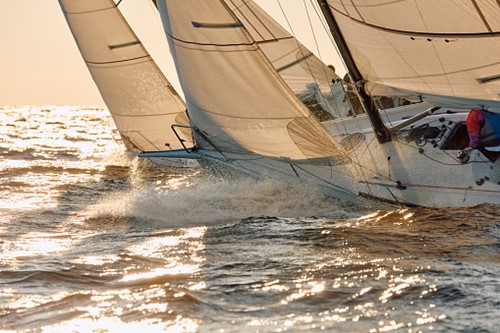
Safety while sailing is essential, as conditions can change quickly and even small mistakes can lead to serious issues. Wind, tides, heavy rain, and other vessels all create risks that require constant awareness and careful preparation. By prioritising safety, sailors reduce the chances of accidents, injuries, and damage to their boat.
Being safe when out on the water also helps protect others using the water and the surrounding environment. Following navigation rules, using proper lighting, and handling waste responsibly help prevent collisions and pollution.
10 tips for sailing safely
- Check the weather forecast – Always review wind speed, tides, and weather conditions before setting out on your sailboat. To stay safe, you should avoid sailing in conditions that you aren’t – or your vessel isn’t – prepared for.
- Wear a lifejacket – It can be easy to think you don’t need a lifejacket, especially if you’re a confident swimmer. But everyone on board must wear a properly fitted lifejacket. While this is always important, it’s especially vital when sailing in rough conditions, at night, or when moving around the deck.
- Know your boat – Having a strong understanding of how your boat handles, where safety equipment is kept, and how to operate the engine, sails, and steering systems is extremely important to sail safely.
- Carry the right safety equipment – It’s vital that you have the right safety equipment on board, and that it’s in good working order. You must also be able to access it quickly and easily. Essential safety equipment includes flares, a first-aid kit, a fire extinguisher, an anchor, a torch, and a working VHF radio or a fully charged mobile phone in a waterproof case.
- Tell someone your plans – Let a trusted friend or family member, marina, or coastguard know your route and expected return time. This is especially important if you’re taking a long trip.
- Monitor conditions while sailing – Always be aware of changing weather, tides, and wind speeds, and be prepared to change your plans or adapt your sails accordingly should you need to.
- Follow navigation rules – Be sure to follow right-of-way rules, speed limits, and channel markers to avoid collisions with other vessels. Rules can differ depending on where you’re sailing and may change at short notice. Always check the information for the location you’re heading to, even if you’ve sailed there before.
- Avoid alcohol while sailing – Alcohol slows your judgement, balance, and reaction time, preventing you from sailing safely and increasing the risk of accidents on board.
- Practice man overboard drills – Make sure everyone on board knows what to do if someone falls overboard, as people must react quickly and confidently if this happens while you’re out on the water.
- Maintain your boat regularly – Regular maintenance is crucial to keep your boat safe. Check rigging, sails, engine, and safety gear frequently to reduce the risk of breakdowns or failures at sea.
10 safety checks before setting sail
To help you stay safe while sailing, carry out these quick yet necessary safety checks before heading out onto the water:
- Check the weather and tides, and only head out if you’re confident sailing in the forecasted conditions.
- Inspect your safety equipment, including lifejackets, flares, a first aid kit, and a fire extinguisher.
- Test your VHF radio and mobile phone and ensure they’re fully charged.
- Check your fuel level, oil, coolant, and belts and make sure your engine is running smoothly.
- Inspect rigging and sails for signs of wear, fraying, or corrosion and make sure all winches are working correctly.
- Check the steering and controls by turning the wheel or tiller fully to ensure smooth movement and confirming your throttle, gear controls, and rudder are working as expected.
- Test all lights, especially if you’re sailing at night or in poor visibility.
- Secure the deck and cabin by stowing loose gear to prevent tripping over or items falling into the water.
- Ensure your anchor is ready to deploy and check that its chain and rope are tangle-free.
- Share your route and expected return time with a friend, marina, or harbour.
Important equipment for safe sailing

The safety equipment you should carry onboard your sailboat depends on where and how you sail. However, there are some essential items every boat should have.
- Lifejackets – There should be a lifejacket for every person on board. Lifejackets must be in good condition, fit correctly, and ideally be worn at all times, but especially in strong winds, rough waters, and when sailing in the dark.
- Communication device – You should carry a marine VHF radio for emergency communication and a fully charged mobile phone in a waterproof case. You may also want to pack a power bank so you can charge your phone should it run out of battery.
- Flares – Carry both red handheld flares and/or parachute flares for distress signalling and orange smoke flares for daytime visibility. Flares can expire, so be sure to regularly check expiry dates and replace any that are no longer usable.
- First aid kit – Every sailboat should have a well-stocked first aid kit kept in a waterproof container. Pack yours with bandages, antiseptics, seasickness tablets, and other emergency supplies you may need while out on the water.
- Fire safety equipment – Your sailboat should have at least one fire extinguisher that’s been rated suitable for marine use.
- Anchor – Keep a properly sized anchor with an appropriate chain or rope on board, as this is essential for emergency stops or holding position in the water.
- Navigation lights – You’ll need navigation lights for sailing safely at night or in poor visibility. Remember to carry spare bulbs or a backup light just in case your leading navigation lights fail or break.
- Sound signalling device – A horn or whistle is crucial as it will enable you to attract attention in fog or emergencies.
- Bilge pump – It’s key to have a bilge pump on board as this will help you to remove any water that enters your sailboat.
- Other helpful equipment – A rigging knife, torch or headlamp, basic tool kit, and spare parts can also come in handy and help you to sail safely. If you rely on a GPS for navigation, you might also want to carry paper maps in case this fails.
Specialist boat insurance through Insure4Boats
No matter how many precautions you take, there’s still a risk that something could go wrong while you’re on the water. That’s why you may want to consider getting specialist boat insurance to help financially protect you and your boat.
Specialist boat insurance through Insure4Boats covers the damage and theft of your boat with optional personal accident, personal effects, and European cover. Find out more about Insure4Boats or get a quick online quote today.
Please note the information provided on this page should not be taken as advice and has been written as a matter of opinion. For more on insurance cover and policy wording, see our homepage.