
Tacking is one of the most important manoeuvres in sailing. Whether you’re cruising along the coast or racing competitively, tacking allows you to move efficiently against the wind and maintain control of your boat.
In this guide, we detail how tacking in sailing works and explore practical ways to improve your tacking technique. We’ll also look at the most common mistakes sailors make when attempting the manoeuvre.
How to improve your tacking
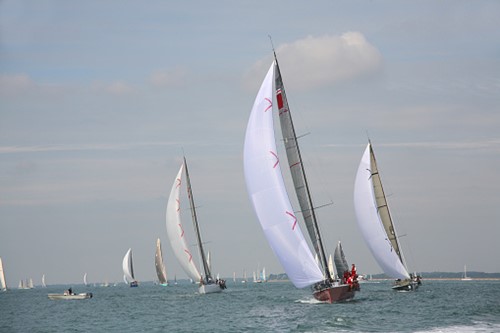
Here are 10 essential tips to enhance your tacking the next time you’re out on the water.
1. Understand the basics of tacking
Before improving your technique, it’s important to understand what tacking means.
When a sailor wants to change direction while sailing upwind, they must turn the bow of the boat through the wind. During this manoeuvre, the sails shift from one side of the boat to the other, allowing the boat to continue moving forward on a new course.
Typically, tacking involves:
- Sailing close hauled on one side of the wind
- Turning the bow toward and through the wind
- Sails luffing briefly as the boat points into the wind
- Sails filling again on the opposite side
- The boat settling on its new course
2. Prepare your boat before tacking
Preparation is key. Before turning the boat, you should check for other boats or obstacles, ensure sails are properly trimmed, and alert the crew
Even when sailing solo, mentally preparing before turning helps you maintain control when tacking.
3. Turn the boat smoothly through the wind
A smooth, controlled turn is very important when tacking. Turning too quickly can cause the boat to lose speed and stall, while turning too slowly can leave the boat stuck pointing directly into the wind.
Turning should be steady and controlled so the sails can transition naturally. As the bow passes through the wind, the jib will begin to luff and then shift across to the other side. An efficient turn will keep the boat moving with minimal loss of momentum. This is one of the main goals when tacking in sailing.
4. Coordinate the sails properly
Sails are a key part of tacking when sailing. On boats with a jib, the crew usually releases the working sheet just as the boat turns through the wind, allowing the sail to swing across the foredeck. The opposite sheet is then trimmed in to capture the wind on the new side.
Smooth sail handling can greatly improve performance.
5. Maintain boat speed before the tack
Many beginners try to tack when their boat is already moving slowly, but without enough speed, it may stop heading into the wind. This is known as being “in irons”.
To avoid this, you should sail slightly faster than usual before starting the tack, keep your sails trimmed efficiently, and choose the right moment to turn. Maintaining speed ensures the boat has enough momentum to complete the manoeuvre.
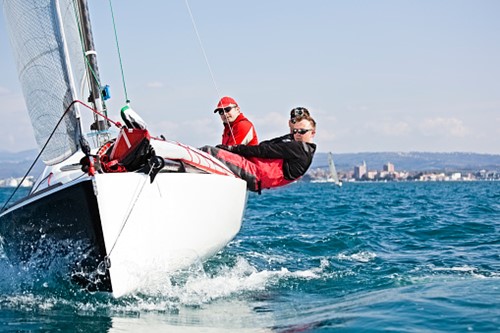
6. Shift crew weight for balance
On smaller boats and dinghies, shifting crew weight can dramatically influence the success of a tack by helping to balance the vessel. As the boat turns through the wind:
- The crew should move smoothly across
- The weight should stay balanced
- The boat should remain fairly flat
Poor weight distribution can slow the boat and make it feel sluggish. By carefully considering your crew movement, you can use this strategically to keep the boat balanced when tacking.
7. Use rudders efficiently
Overusing your rudder can slow the boat, as large rudder movements create drag in the water, reducing speed. Aim for small, controlled movements that guide the boat through the wind.
Experienced sailors rely more on sail trim and balance than rudder overuse when tacking in sailing, making the manoeuvre faster and smoother.
8. Perform repeated tacks
Like any skill, practice makes perfect. A great way to learn how to tack in sailing is to set up a short training course and perform multiple tacks in succession. Focus on maintaining speed, coordinating the sails, steering smoothly, and moving efficiently across the boat.
9. Avoid the most common tacking mistakes
Even experienced sailors can make mistakes while tacking. Here are some of the most common issues to try to avoid:
- Turning too quickly – A sharp turn can stall the sails and kill the boat’s speed, while a gradual turn usually produces better results
- Releasing the jib too early – If the jib sheet is released before the bow reaches the wind, the sail loses power and slows the boat
- Poor communication – On crewed boats, failing to communicate clearly can result in tangled sheets or poorly timed sail handling
- Not building enough speed – Trying to tack while moving slowly often leaves the boat stuck facing the wind
10. Predict wind changes and plan your tacks
Advanced sailors plan their manoeuvres based on wind direction and strategy. When sailing upwind, tacking allows you to zigzag toward your destination. By observing wind changes and water conditions, you can decide the best moment to change direction.
What is jibing and tacking?
In sailing, jibing and tacking are the two primary manoeuvres used to change direction relative to the wind. Tacking is when a boat turns its bow into the wind, shifting it from one side of the boat to the other, allowing it to continue sailing upwind on a new course.
Jibing happens when the stern of the boat passes through the wind while sailing downwind, causing the sails to swing across the boat to the opposite side. While tacking is generally smoother and more controlled, jibing can be more powerful and requires careful handling to prevent the boom from swinging across too forcefully.
Learning how to tack is one of the most rewarding skills you can acquire as a sailor. While the concept is simple, the details of sail handling, boat balance, and timing make a huge difference in performance. By understanding how tacking works, practising the manoeuvre regularly, and avoiding common mistakes, you can improve your efficiency on the water.
Whether you're a beginner learning the fundamentals of sailing or an experienced sailor refining your technique, focusing on smooth, controlled tacks will make your time on the water more enjoyable.
Specialist boat insurance through Insure4Boats
Before you next head out on the water to perfect your skills, you may want to consider getting specialist boat insurance to help financially protect you and your boat.
Specialist boat insurance through Insure4Boats covers the damage and theft of your boat with optional personal accident, personal effects, and European cover. Find out more about Insure4Boats or get a quick online quote today.
Please note the information provided on this page should not be taken as advice and has been written as a matter of opinion. For more on insurance cover and policy wording, see our homepage.